Watching the number on the scale fall can feel encouraging when you are taking a GLP-1 medication. But weight loss raises another question: how much of that change is body fat, and how much might be lean tissue? Medications such as Wegovy and Zepbound can reduce appetite enough that eating regular meals becomes difficult. When your food intake drops, protecting muscle deserves attention during weight loss. The good news is that practical habits can help reduce the risk of losing strength during treatment.
Eating adequate protein, challenging your muscles through suitable exercise, and monitoring your nutrition are important starting points. These strategies cannot guarantee that every ounce of muscle remains, and not all measured lean mass loss represents actual skeletal muscle. Understanding what the evidence means can help you make informed choices without feeling pressured to eat enormous meals or follow exhausting workout routines while managing medication and your health.
Why Can GLP-1 Weight Loss Affect Your Muscles?
GLP-1 based medications influence appetite and fullness, making it easier for many people to eat less. That can support substantial weight reduction, but your body does not lose only fat when energy intake falls. Weight loss commonly involves changes in fat, water, and lean body mass. Lean mass includes muscle, organs, and body water, so it should not be interpreted as a direct measurement of skeletal muscle alone.
According to a 2025 analysis of the SURMOUNT-1 trial, 160 participants underwent body composition assessment. Those receiving tirzepatide experienced average reductions of 21.3% in body weight, 33.9% in fat mass, and 10.9% in lean mass over 72 weeks. The findings show that most weight reduction came from fat, although lean tissue also declined.
Those numbers do not mean every person taking tirzepatide will experience identical changes. Age, exercise habits, baseline body composition, nutrition, and health conditions can influence what happens. Similarly, body composition results from one medication should not automatically be applied to every GLP-1 treatment.
The concern is not simply how much lean mass a scan reports. It is whether you retain the muscle strength and physical function needed for daily life. Carrying groceries, climbing stairs, getting up from a chair, and exercising comfortably are meaningful measures of progress that your bathroom scale cannot capture.
If you notice rapid changes, avoid cutting food further. Faster weight loss is not necessarily better for muscle preservation. A timely follow-up appointment lets your team review nutrition, exercise, and treatment response. Adjustments may be more useful than further restriction.
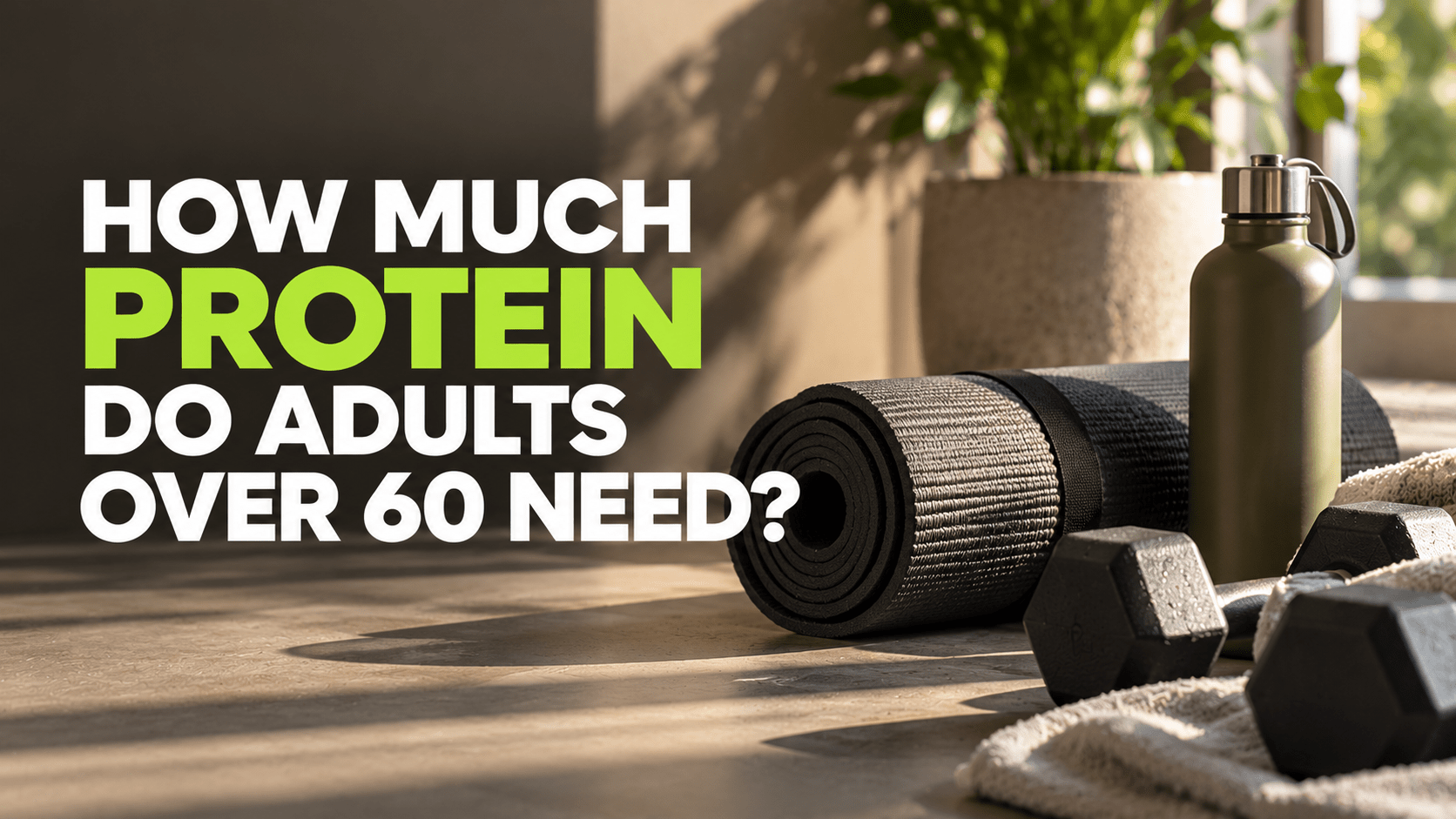
How Much Protein Do You Need to Protect Your Muscles?
Protein supplies the amino acids your body uses to maintain and rebuild tissues. If appetite suppression leads you to miss meals or eat only a few bites, your daily intake may fall short without you noticing. This makes protein planning particularly relevant during GLP-1 weight loss, although eating more protein alone cannot guarantee muscle preservation.
According to a 2025 joint advisory from professional organizations specializing in nutrition, obesity, and exercise, approximately 1.2 to 1.6 grams of protein per kilogram of body weight daily may be appropriate during active weight reduction for some adults. Importantly, protein targets must be individualized, and calculating requirements from actual body weight can overestimate needs in people with obesity.
A registered dietitian can help establish a target based on your health, nutritional status, body size, and treatment plan. This is especially important for people with kidney disease or other conditions where protein recommendations require medical oversight. Avoid applying a single online calculator to everyone.
Once you have a suitable goal, look for achievable ways to include protein throughout the day. Eggs or Greek yogurt can work at breakfast; chicken, tofu, lentils, or tuna might feature at lunch; and fish, beans, turkey, or tempeh can anchor dinner. Smaller portions eaten consistently may feel easier than one unusually large meal.
If you prefer plant foods, combine varied sources over the day to obtain essential amino acids. You do not need to consume every plant protein in the same sitting, but overall quality and quantity both deserve attention. When portions are small, choose foods that deliver useful nutrition without demanding a huge appetite.
An easy planning habit is to decide which protein food will anchor each meal before choosing the rest of the plate. That does not require counting every bite. Keep convenient options available for days when cooking feels unappealing, and remember that appetite can fluctuate throughout treatment. Regular access to suitable foods makes consistent nutrition easier.
The Best Way to Keep Your Muscles Working During Weight Loss
Your muscles need a reason to remain strong. Resistance training provides that signal by asking muscles to work against a load, whether that is your body weight, a resistance band, or a dumbbell. When combined with adequate nutrition, this can help maintain muscle function while body weight changes.
According to the American Diabetes Association’s 2026 standards, a meta-analysis involving 114 randomized trials found that programs combining resistance training with calorie restriction maintained lean mass. The guideline therefore recommends muscle-strengthening activity as part of comprehensive obesity care.
You do not have to begin with an intense gym program. Depending on your ability, supervised or appropriately modified squats, wall push-ups, seated resistance-band rows, and step-ups can introduce basic movement patterns. Starting gently is particularly sensible if you have been inactive, are experiencing nausea, or feel unusually tired.
Focus on good technique and gradual progression. Over time, you might add repetitions, modest resistance, or another set as movements become comfortable. Allow recovery between harder sessions and discuss activity restrictions with your clinician if you have existing injuries or relevant medical conditions.
Walking, cycling, and other aerobic activities also support cardiovascular health, but they do not replace muscle-strengthening work. Combining forms of activity can create a more balanced routine. Your aim is not to burn the greatest possible number of calories. It is to remain capable, active, and strong as your weight changes.
If exercise is new to you, begin with a level you can repeat comfortably. Maintaining a simple record of sessions can reveal improvements that the scale overlooks. Being able to stand more easily, carry shopping comfortably, or complete another repetition are useful signs of function, even while weight continues to decline. These everyday changes deserve recognition.
Eating Enough When Your Appetite Has Almost Disappeared
Reduced hunger may sound convenient at first, but it can become frustrating when a few mouthfuls leave you feeling full. Some people also experience nausea, constipation, or other gastrointestinal symptoms that make eating more challenging. Rather than forcing large plates, consider smaller meals that contain protein and other essential nutrients.
A breakfast might include Greek yogurt with berries and oats. Lunch could be a small bowl of lentil soup alongside eggs or tofu. For dinner, try baked salmon or beans with vegetables and rice. You can adjust textures, seasonings, and portions according to what feels comfortable. These are meal ideas, not prescriptions, and individual dietary needs vary.
According to the American Diabetes Association’s 2026 guidance, a meta-analysis of 47 randomized trials found that protein intake above 1.3 grams per kilogram per day benefited muscle maintenance during weight reduction among adults with obesity. The guidance also emphasizes that strengthening exercise remains important.
Protein is not the only nutritional priority. Vegetables, fruit, whole grains, healthy fats, and adequate fluids provide nutrients that support overall health. If you are eating substantially less, a clinician or dietitian can assess whether deficiencies or dehydration are becoming concerns.
Persistent vomiting, inability to keep fluids down, marked weakness, or ongoing difficulty eating deserves medical attention. Do not change your medication dose independently. Your prescriber can review side effects, treatment options, and whether the current plan meets your nutritional needs.
How to Tell Whether You’re Losing Muscle Instead of Fat
A bathroom scale cannot identify which tissues account for a change in weight. Consumer smart scales attempt to estimate body composition, but hydration and measurement conditions can shift their readings. Even clinical scans reporting lean mass do not directly measure every aspect of muscle quality or strength.
Instead, pay attention to practical changes. Are stairs suddenly harder? Have you noticed a consistent decline in the weight you can lift, or is standing from a chair becoming more difficult? These observations can be useful to discuss with your healthcare team, although they cannot diagnose muscle loss on their own.
A clinician may assess grip strength, walking ability, or chair-rise performance and consider body composition testing when appropriate. Trends over time are generally more informative than one isolated measurement.
Also remember that feeling weak can have several explanations, including inadequate food intake, dehydration, illness, or medication side effects. Seek assessment rather than assuming muscle loss is the only cause. Healthy weight management should improve your ability to live comfortably, not just produce a smaller number on a screen.
Where Plant-Based Protein Fits Into Your GLP-1 Routine
When meals become smaller, a protein shake can provide a convenient addition without extensive preparation. It is not necessary for everyone, and it should not replace varied foods that supply fiber, vitamins, minerals, and other nutrients.
SFH PURE PLANT Protein offers 21 grams of plant protein per serving from organic pea, pumpkin seed, and chia proteins. The dairy-free powder can be mixed with water or a milk alternative when a full meal feels difficult. Its role is to help you meet protein needs, not to treat GLP-1 side effects or independently prevent muscle loss.
Consider your tolerance, appetite, and daily protein target before adding a shake. If nausea persists, ask your healthcare team for individualized guidance rather than relying on supplements to solve an ongoing eating problem.
Frequently Asked Questions
Can you prevent muscle loss while taking Ozempic or Wegovy?
You can take steps to reduce the risk, particularly by meeting appropriate protein needs and performing resistance exercise. However, no routine guarantees complete muscle preservation. Discuss changes in strength or nutrition with your clinician.
How much protein should you eat daily while taking GLP-1 medications?
Needs vary with body size, age, health, and activity. Some clinical guidance suggests higher protein intake during weight reduction, but people with obesity or kidney conditions may need individualized calculations rather than a generic target.
Can you build muscle while losing weight on Zepbound?
Some people may improve strength or gain muscle through progressive training and adequate nutrition, especially when new to resistance exercise. Results vary, and weight loss does not automatically mean muscle growth.
What are the best exercises to maintain muscle on GLP-1?
Choose manageable resistance exercises that train major muscle groups, such as modified squats, rows, and presses. A qualified trainer or physical therapist can help adapt movements to your ability and medical circumstances.
Are plant-based protein shakes useful for GLP-1 users?
They can help fill protein gaps when appetite is low, particularly for people avoiding dairy. Check the protein content and ingredients, and remember that shakes complement rather than replace balanced meals.
Protecting Your Strength as Your Weight Changes
Learning how to prevent muscle loss on GLP-1 starts with looking beyond the scale. Weight reduction can include lean mass changes, but lean mass is not identical to muscle, and every person’s experience differs. The practical goal is to support strength, function, and adequate nutrition while following a treatment plan developed with your healthcare team.
Prioritize protein-rich meals that suit your appetite, include resistance exercise appropriate for your ability, and pay attention to changes in everyday movement. If eating becomes difficult or weakness develops, ask for professional help rather than pushing through symptoms. A supplement may offer convenience when food intake is limited, but it cannot substitute for sufficient nourishment or exercise.
Successful weight management should leave you better equipped for daily life. By focusing on sustainable routines and monitoring how you feel and function, you can work toward weight-loss goals while giving your muscles meaningful support throughout your treatment.
Publisher: Source link