
An expired vitamin does not necessarily become unsafe the moment it passes the date printed on the bottle. Instead, one of the biggest concerns with older vitamins and dietary supplements is potency. Over time, vitamins can gradually break down, meaning you may not receive as much of a nutrient as the label indicates.
The type of supplement, how it was stored, and its condition can all affect its average shelf life.
Do Vitamins Expire?
Yes, but vitamin expiration dates don’t work exactly like expiration dates on perishable foods.
According to the U.S. Food and Drug Administration (FDA), dietary supplement manufacturers are not required to include an expiration date on their labels. If a manufacturer chooses to include one, however, the information should be supported by data and should not be false or misleading.
An expiration or “best by” date generally tells you how long the manufacturer expects the vitamin or supplement to maintain its intended quality and potency when stored as directed.
After that date, some vitamins may begin to lose their potency. This means an expired supplement may contain less of a vitamin or mineral than you expect based on its label.
Is It Safe to Take Expired Vitamins?
In many cases, taking an expired vitamin is unlikely to cause harm simply because it has passed its expiration date. The bigger concern is that the product may no longer provide its intended potency.
However, that doesn’t mean every old bottle of vitamins should stay in your routine indefinitely. Supplements can be affected by heat, humidity, light, air, and other environmental conditions.
Check the product before taking it. An expired vitamin or supplement should generally be discarded if you notice changes such as:
- An unusual odor
- Changes in color
- Cracked or damaged tablets
- Pills sticking together
- Changes in texture or consistency
- Visible moisture or mold
- Damaged or improperly sealed packaging
When you’re unsure about a particular supplement, especially one that looks or smells different, replacing it is usually the better option.
What Does the MFG Date on Vitamins Mean?
Not every vitamin bottle includes an expiration (EXP) or “best by” date. Some manufacturers instead print a manufacturing date (MFG), which indicates when the product was produced.
The FDA does not require dietary supplements to display an expiration date. If a manufacturer chooses to include one, however, it should be supported by data. For this reason, some manufacturers provide an MFG date instead.
An MFG date isn’t an expiration date, but it can help you determine the age of a supplement. While there is no universal timeframe, around two years from the manufacturing date is a common guideline for many properly stored vitamins, although shelf life varies by formulation and product.
Always follow the manufacturer’s recommendations. If you’re unsure how long a supplement is intended to maintain its quality and potency, contact the manufacturer for product-specific guidance.
How Long Can You Use Vitamins After the Expiration Date?
There is no set number of days, months, or years that applies to every vitamin. Some vitamins may retain much of their potency beyond the printed expiration date when properly stored, while others can degrade more quickly. For that reason, you shouldn’t assume that an expired vitamin will provide the same amount of nutrients listed on its Supplement Facts label.
The type of vitamin matters, too. Tablets and capsules tend to be more stable than products that are more susceptible to moisture.
Chewable vitamins and gummy vitamins, for example, can absorb moisture and may degrade more quickly than traditional tablets. Liquid supplements may also have different storage requirements and shelf lives.
Products containing oils can require additional attention. Fish oil, for instance, can oxidize and develop an unpleasant or rancid odor or taste over time. Always follow the storage and expiration guidance provided for the specific vitamin or supplement you use.
Does Storage Affect How Long Vitamins Last?
Yes. Where you store your vitamins can make a significant difference. Although keeping bottles of vitamins in the bathroom may be convenient, the medicine cabinet isn’t always the best location. Bathrooms can become warm and humid, particularly during showers, and repeated exposure to moisture and heat may contribute to degradation.
Unless the product’s label says otherwise, vitamins are generally best kept in a cool, dry location away from direct sunlight and excessive humidity. A bedroom drawer or closet may be a better option than a bathroom or a cabinet near the stove.
Some supplements require refrigeration, so always check the manufacturer’s instructions. Keeping stored supplements in the conditions recommended on their labels gives them the best chance of maintaining their quality throughout their intended shelf life.
What About Prenatal Vitamins?
It may be particularly important to pay attention to expiration dates when you’re relying on a supplement to consistently provide a specific amount of a nutrient.
Prenatal vitamins are a good example. During pregnancy, nutrients such as folic acid are particularly important. Using an expired supplement that has lost some of its potency could mean you’re receiving less of a nutrient than expected.
If your prenatal vitamins have expired, consider replacing them rather than relying on an older bottle. You can also talk to your healthcare provider or pharmacist about the vitamins and supplements that are appropriate for you during pregnancy.
How Should You Dispose of Expired Vitamins?
If you’ve decided not to use an expired supplement, check the label for disposal instructions and look for local drug or supplement take-back options when available.
For products that can be placed in household trash, FDA guidance for certain medicines recommends removing them from their original containers and mixing them with an undesirable substance, such as dirt, cat litter, or used coffee grounds, before placing the mixture in a sealed container or bag. Be sure to check the product label and current FDA disposal guidance for the product you have.
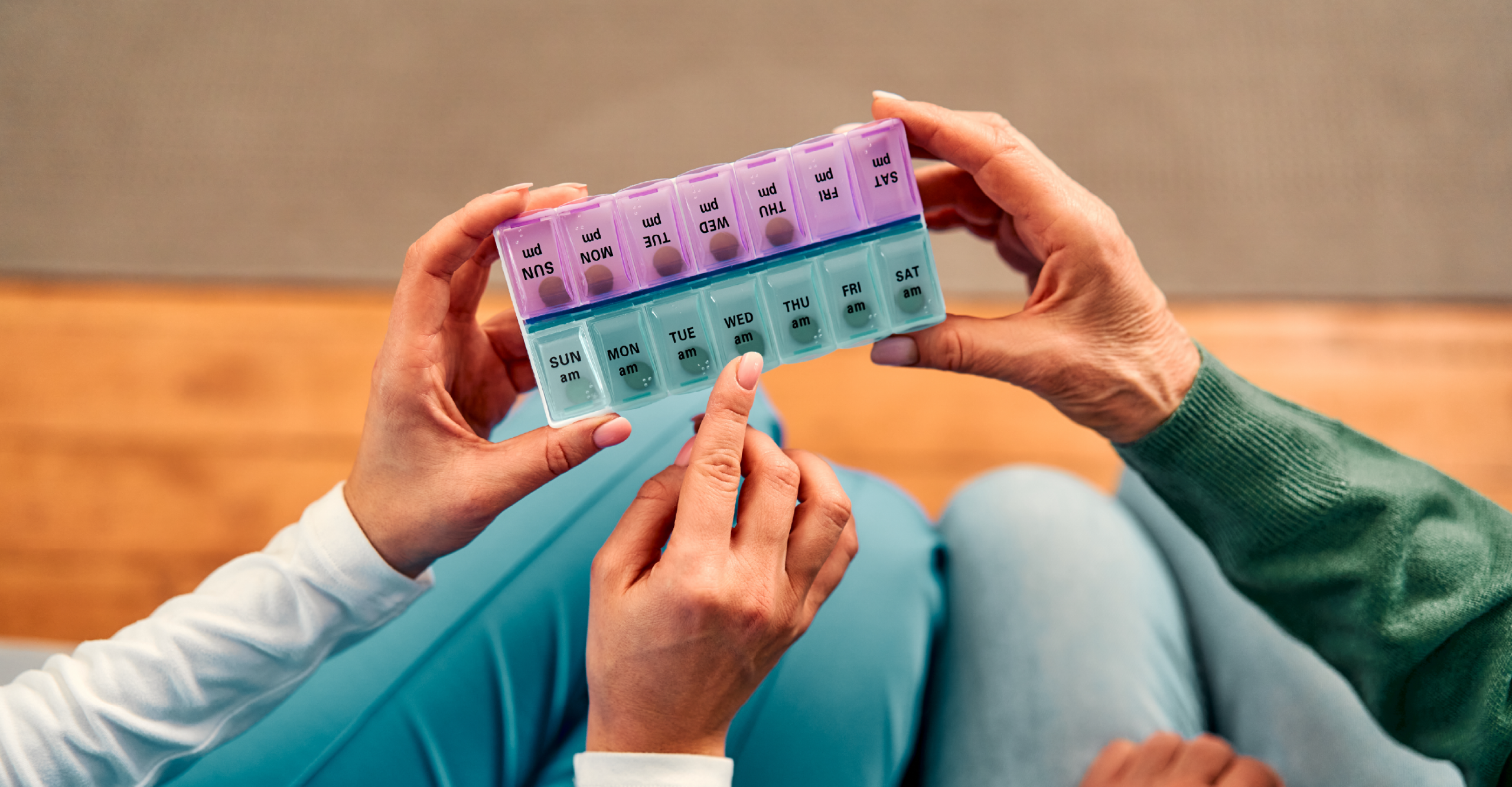
Before tossing the next bottle, consider why it expired in the first place. If you’re regularly left with unused vitamins, you may be buying too much at once or having trouble maintaining a consistent routine.
Stay Consistent With Your Vitamin Routine
So, how long can you use vitamins after the expiration date? There isn’t a single cutoff that works for every product. Vitamins generally don’t suddenly become harmful the day after their expiration date, but they can gradually lose potency, and their quality depends heavily on how they have been stored.
When in doubt, check the bottle, follow the manufacturer’s recommendations, and replace vitamins that are significantly past their expiration date or show signs of deterioration. If you depend on a vitamin or supplement to meet a specific nutritional need, talk with your healthcare provider or pharmacist before relying on an expired product.
A consistent routine can also help prevent bottles from sitting unused long enough to expire. With Uscriptives subscriptions, you can keep the supplements you use regularly arriving on a predictable schedule, making it easier to stay stocked without letting forgotten bottles pile up in the back of the cabinet.
Publisher: Source link