
High blood pressure affects millions of adults and remains one of the most common risk factors for heart disease and stroke. If you are managing hypertension, you may be cautious about adding supplements to your routine. One common question is whether vitamin D is safe to take with high blood pressure.
For many people, vitamin D is generally safe when taken as directed. In fact, maintaining healthy vitamin D levels is important for bone strength, immune support, muscle function, and overall wellness. Researchers have also studied whether vitamin D deficiency may be connected to elevated blood pressure and cardiovascular health.
It’s crucial to understand that vitamin D is not a replacement for blood pressure medication or healthy lifestyle habits. Understanding how it fits into your routine can help you make informed decisions.
What Is Vitamin D and Why Does It Matter?
Vitamin D is a fat-soluble vitamin that helps the body absorb calcium and maintain strong bones. It also supports immune health, muscle performance, and normal cellular function.
Your body naturally produces vitamin D through sun exposure, but many people do not get enough due to:
- Limited sunlight exposure
- Indoor lifestyles
- Aging
- Darker skin pigmentation
- Low dietary intake
- Seasonal changes
- Certain medical conditions
Because of this, vitamin D deficiency is common in the United States and around the world.
Can You Take Vitamin D If You Have High Blood Pressure?
In many cases, yes. Most people with high blood pressure can safely take a vitamin D supplement when using an appropriate dose and consulting their healthcare provider.
Vitamin D does not typically raise blood pressure. In fact, researchers have explored whether improving low vitamin D levels may support cardiovascular health.
Still, safety depends on the individual. Before taking vitamin D, your provider will check your current vitamin D levels based on lab work. They may also check your current blood pressure levels, kidney health, calcium levels, and any existing medical conditions.
If you take blood pressure medication, it is especially smart to ask your provider before beginning any supplement.
Is There a Link Between Vitamin D Deficiency and High Blood Pressure?
Researchers have observed that people with low vitamin D levels may have a higher risk of hypertension.
A CDC-published meta-analysis reviewed multiple cohort studies and found that lower circulating vitamin D concentrations were associated with an increased risk of developing high blood pressure. This suggests that vitamin D deficiency may play a role in long-term cardiovascular health.
That does not necessarily mean low vitamin D directly causes hypertension, but it may be one contributing factor among many.
Other factors that influence blood pressure include: genetics, diet, body weight, stress, physical inactivity, sleep quality, smoking, and age.
Can Vitamin D Supplements Lower Blood Pressure?
This is where nuance matters. The same CDC review analyzed 27 randomized controlled trials evaluating supplementation on blood pressure. Researchers concluded that vitamin D supplements did not significantly reduce systolic or diastolic blood pressure in the general population.
In other words, vitamin D supports overall health and may help correct a deficiency, but it should not be used as a direct treatment for hypertension. This means someone with high blood pressure should not rely on vitamin D alone to lower readings.
Benefits of Vitamin D
Even if vitamin D is not a proven standalone blood pressure treatment, maintaining healthy levels is beneficial.
Vitamin D supports systems related to heart and vascular wellness, including:
- Healthy blood vessel function
- Muscle performance
- Immune balance
- Calcium regulation
- General metabolic health
People with confirmed vitamin D deficiency may feel better overall after correcting low levels, especially if the deficiency contributed to fatigue, weakness, or poor wellness.
Better Ways to Manage High Blood Pressure
Vitamin D can be one part of wellness, but blood pressure management usually requires a broader strategy.
Healthy habits include:
- Following a heart-conscious diet
- Reducing excess sodium
- Staying physically active
- Maintaining a healthy weight
- Managing stress
- Getting quality sleep
- Limiting alcohol
- Avoiding smoking
- Taking medications as prescribed
- Keeping regular doctor appointments
These evidence-based habits, combined with vitamin D supplements, have a greater effect on blood pressure than supplements alone.
Should You Take Vitamin D with High Blood Pressure?
If you have high blood pressure, vitamin D is generally safe for many adults when taken responsibly. It may be especially helpful if testing shows a vitamin D deficiency.
Current research suggests that while low vitamin D levels are associated with a greater risk of hypertension, vitamin D supplementation does not consistently lower blood pressure in the general population.
That makes vitamin D more useful as a nutrient support tool rather than a primary blood pressure solution.
The best next step is to ask your healthcare provider whether vitamin D testing or supplementation makes sense for your personal health plan.
Support Your Wellness Routine with Uscriptives
Building better health often starts with consistent daily habits, informed choices, and quality nutrition.
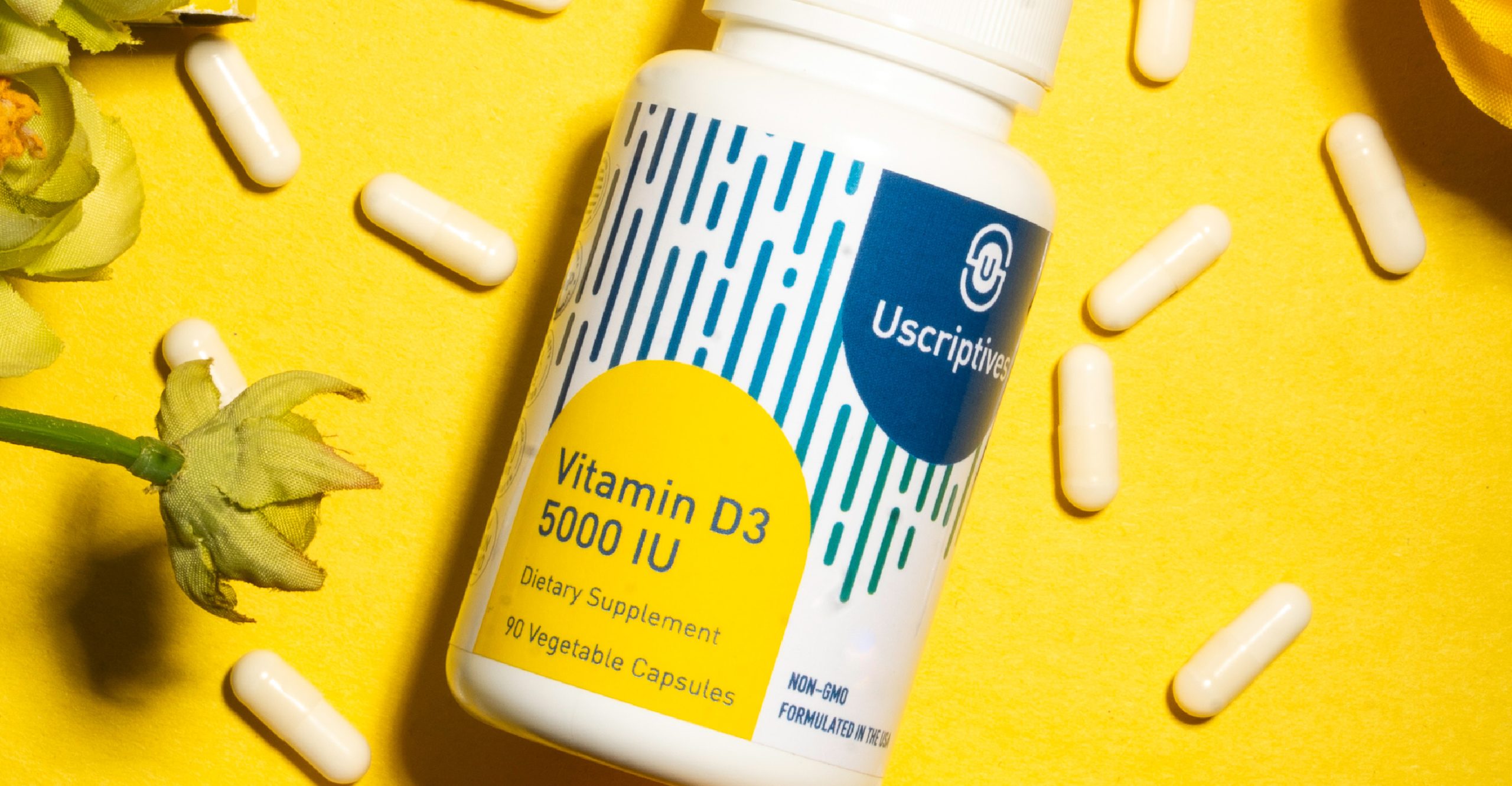
If your healthcare provider recommends adding vitamin D to your routine, Uscriptives offers vitamin D supplements designed to support healthy vitamin D levels, bone health, immune function, and overall wellness.
Explore Uscriptives and always consult your healthcare provider before starting any new supplement routine.
Publisher: Source link