This entry was posted on 13th March 2026.
Longer, warmer days draw us outdoors, but for hayfever sufferers, these changes often mean runny noses, itchy eyes, and persistent sneezing that can dampen the summer spirit.
Many people use over-the-counter antihistamines, but eating well can also help manage allergy symptoms. Maintaining a healthy, balanced diet is very beneficial, but sometimes our busy lifestyles get in the way, and we forget to eat a varied, nutritious diet. That’s where supplements can support your body – here are our top supplement picks to help support you during the next season.
1. Vitamin C: The Histamine Helper
Most people know that Vitamin C helps to support the immune system during winter months, but it is just as important during spring and summer. When you have a pollen allergy, your immune system releases histamine, which causes those annoying allergy symptoms.
Vitamin C is a strong antioxidant that helps your immune system and supports your body’s response to histamine. Taking it every day can help to support your body during allergy season, especially if you’re spending more time outside.
2. Omega-3: The Anti-Inflammatory Essential
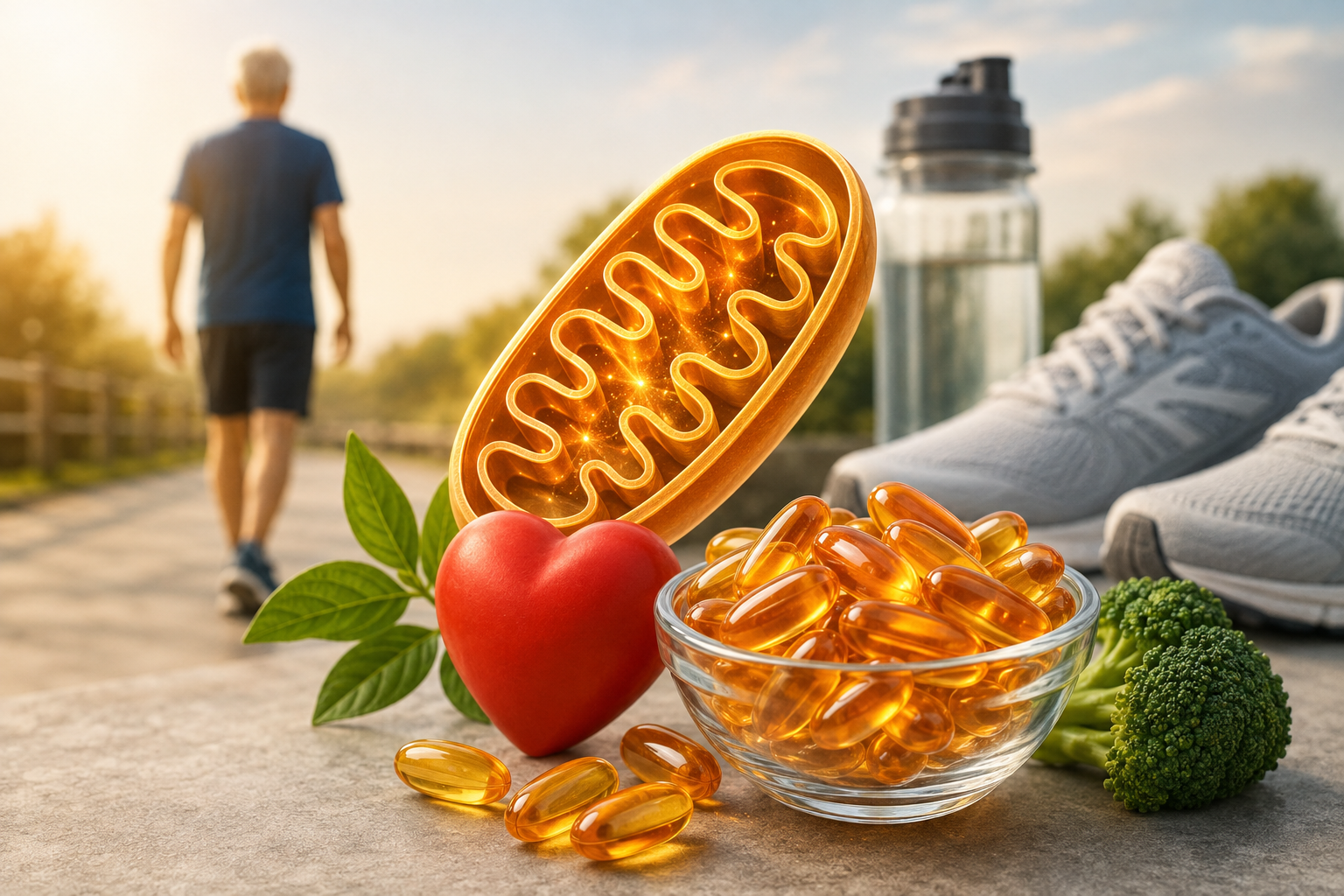
Essential fatty acids, such as Omega-3 fish oils, are important for your health. The EPA and DHA in Omega-3s offer natural anti-inflammatory support, which can help with allergy-related inflammation.
Omega-3s support your immune system and help lower inflammation, including reactions from allergies. Since our bodies can’t make these fats on their own, taking an Omega-3 supplement ensures you get enough each day.
3. Probiotics: Gut Health for Allergy Relief
You might not realise it, but your digestion and allergies are connected. A large part of your immune system is in your gut, and having enough good bacteria helps keep you healthy and supports your immune defences.
Healthy gut bacteria can help lower allergic inflammation. If you’ve had a poor diet or have recently taken antibiotics, your good bacteria levels may be lower. Taking a quality probiotic, such as acidophilus, can help balance your gut and reduce your body’s reaction to seasonal allergens.
Are you ready to enjoy the outdoors with confidence?
By focusing on a healthy diet and adding helpful supplements to your daily routine, you can support your immune system.
Shop now to stock up on Vitamins, Omega Oils, and Probiotics, and start building your allergy-defence toolkit today. Don’t wait, take control of allergy season with Woods Health.
Summary: Take Control of Your Allergy Season
Getting through allergy season doesn’t have to mean staying inside while others enjoy the summer. Since hayfever is an inflammatory immune response to a trigger like pollen, we can use daily nutrition to support our immune responses.
The three supplements we’ve discussed offer a helpful defence against allergies. Vitamin C helps with histamine levels, which can cause sneezing, runny noses, and itchy eyes. Omega-3 fish oils give your body anti-inflammatory support and may soothe irritated tissues and airways. And by taking high-quality probiotics like Acidophilus, you support your gut, which is a large part of your immune system.
Remember that supplements work best when integrated into a healthy lifestyle. Drinking plenty of water to flush out allergens, eating a balanced diet rich in whole foods, and managing stress will further empower your immune system. Start your supplementation routine early, so your body is balanced and ready to face the great outdoors with confidence.
Frequently Asked Questions (FAQs)
When is the best time to start taking hayfever supplements?
For best results, start taking your allergy supplements a month or two before your allergy season begins. Whether you react to tree pollen in spring or grass pollen in summer, giving your body time to build up nutrients, balance gut bacteria, and support your immune system may help you when pollen counts are highest.
Can I take Vitamin C, Omega-3, and Probiotics at the same time?
Yes, you can take these supplements together. They work well as a team and support different parts of your immune and inflammatory responses. It’s safe to include them in your daily routine. Take Omega-3s with a meal for better absorption, and take probiotics with a cold drink before breakfast.
Can these supplements replace my antihistamine medications?
Vitamins and supplements are great for supporting your immune system and may ease symptoms, but they are not meant to replace prescribed or over-the-counter medications, especially if you have severe allergies.
Always consult your GP before taking supplements if you are on medication or have a new or existing medical condition.
References and further reading
Hagel, A. F., et al. (2013) Intravenous infusion of ascorbic acid decreases serum histamine concentrations in patients with allergic and non-allergic diseases, Naunyn-Schmiedeberg’s archive of Pharmacology, 386 (789-793).
DiNicolantonio, J. J., O’Keefe, J. (2021) The Importance of Maintaining a Low Omega-6/Omega-3 Ratio for Reducing the Risk of Autoimmune Diseases, Asthma, and Allergies, Missouri Medicine Journal, 118 (5) 453-459.
Simopoulos, A. P. (2002) Omega-3 fatty acids in inflammation and autoimmune diseases, Journal of the American College of Nutrition, 21 (6), 495-505.
Nogueira, J. C. R. and Goncalves, M, C, R (2015) Probiotics in allergic rhinitis, Brazilian Journal of Otorhinolaryngology, 77(1) 129-134.
Publisher: Source link